A screenshot is all it takes
Blind copy, or an inspiration
This site started as a copy. I saw a minimal personal site I liked, took a screenshot, and asked an AI agent to rebuild it. Minutes later, I had it.
That’s the new normal. With a screenshot and a link, an agent can rebuild almost any page, flow or product you point it at. Copying used to cost time and skill. Now it costs almost nothing. So the question is no longer whether you can copy something. It’s what you do with the copy, and why.
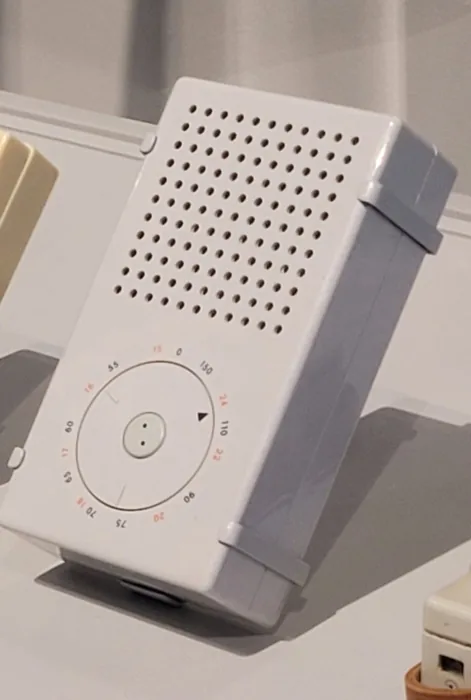
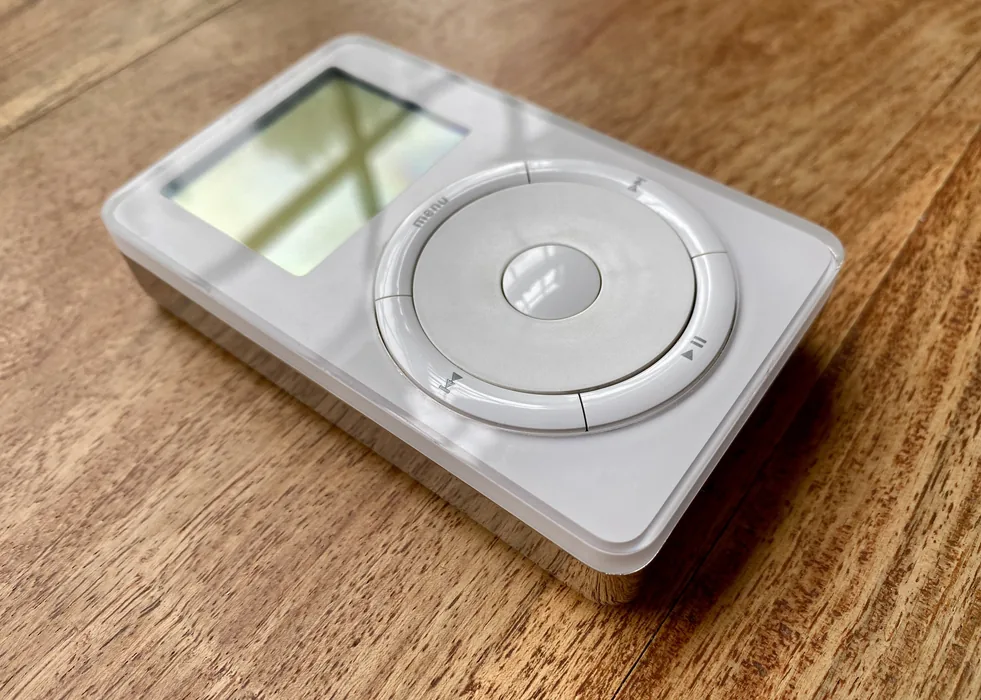
Braun T3, 1958 · iPod, 2001
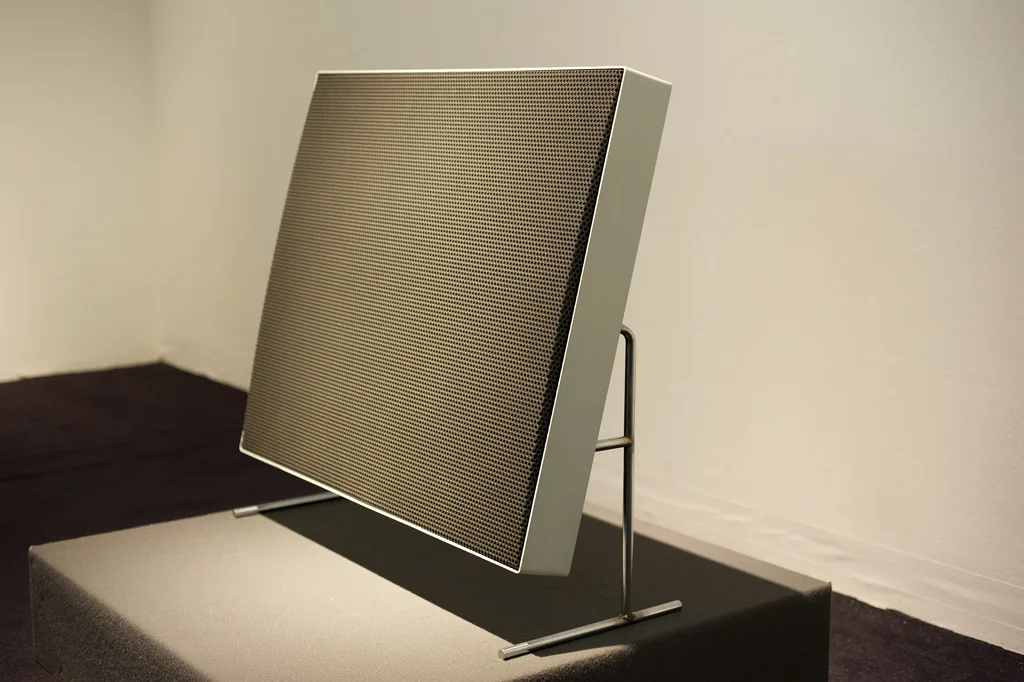
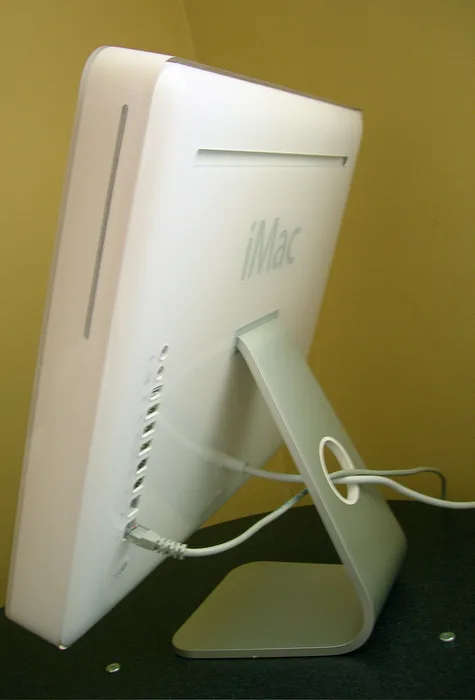
Braun LE1, 1959 · iMac G5, 2004
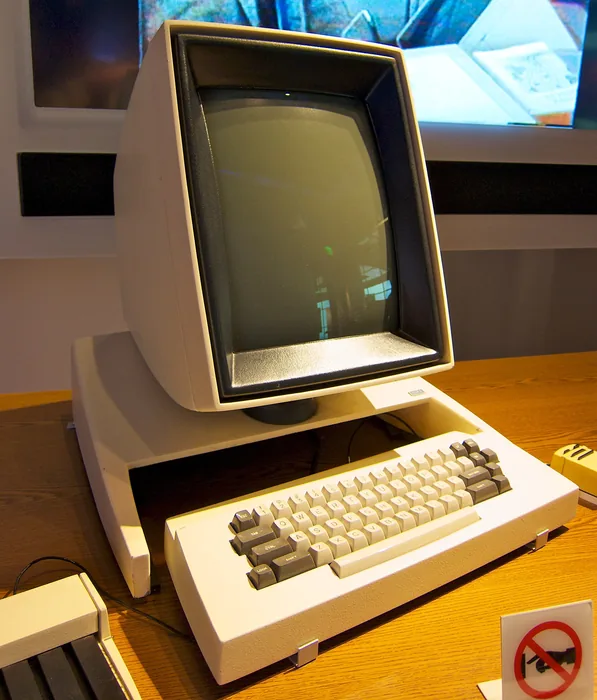
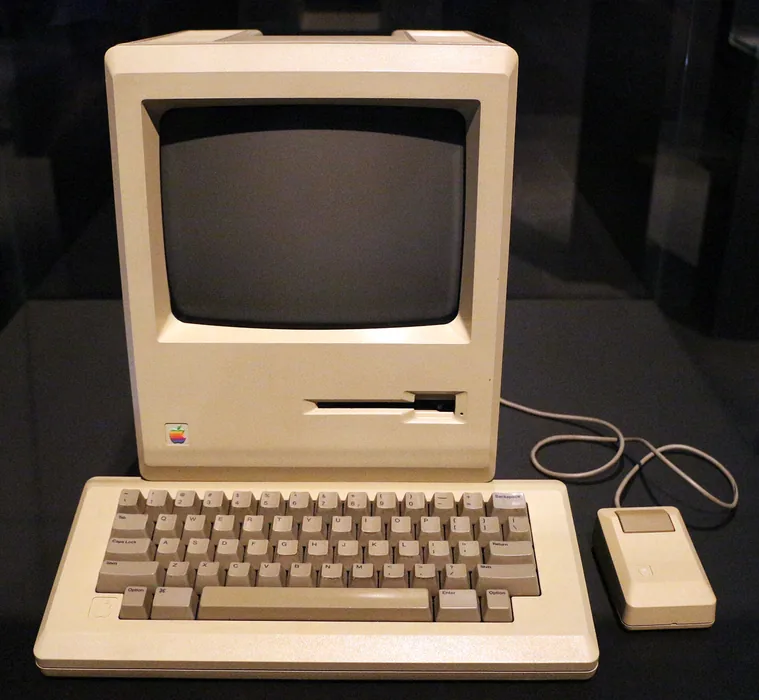
Xerox Alto, 1973 · Macintosh, 1984
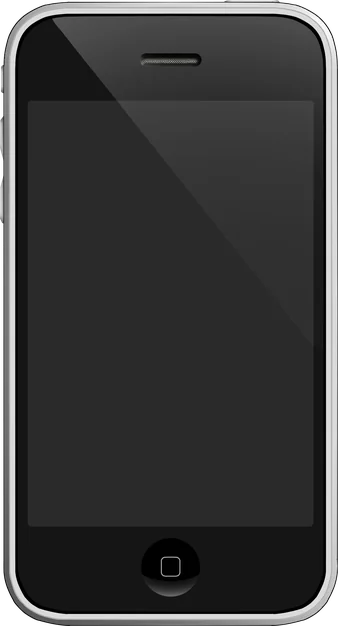
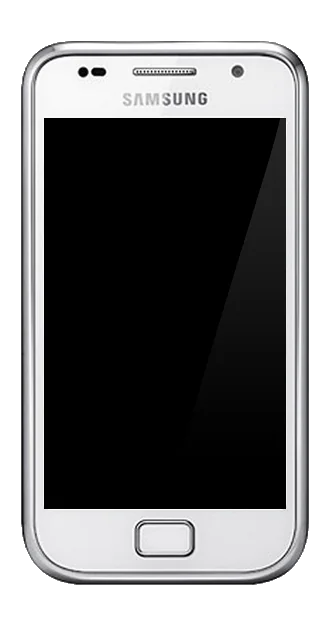
iPhone 3G, 2008 · Samsung Galaxy S, 2010


The best copiers say where it came from
Look at Apple in the 2000s. The iPod echoed the Braun T3 pocket radio Dieter Rams designed in 1958. The iMac G5 looked a lot like his LE1 speaker from 1959. The calculator on the first iPhone looked a lot like the Braun ET66, which Dietrich Lubs and Rams designed in 1987. Jony Ive never hid it. He wrote the foreword to a book about Rams’s work and has credited him openly. Rams has said he takes it as a compliment.
What Ive took wasn’t a shape. It was a way of thinking: Rams’s “less, but better,” the idea that good design is as little design as possible. Ive used it to solve a different problem, putting powerful computers in ordinary hands. And Rams didn’t start from nothing either. He built on the ideas of the Ulm School of Design, and worked with Hans Gugelot on the Braun SK4.
Copy to learn
Some of the best writers learned by copying. Benjamin Franklin took essays from The Spectator, wrote down only the gist, rewrote them from his notes days later, then compared his version with the original to see where he fell short. Hunter S. Thompson typed out The Great Gatsby to feel what it was like to write that well.
Neither published the copy. The copy was the exercise. The work came after.
Copy to solve it better
In 1979, Steve Jobs visited Xerox PARC and saw a computer with windows, icons and a mouse. Xerox’s version stayed an expensive office machine. Apple turned the idea into the Lisa and then the Macintosh, something ordinary people could buy and use.
Taiichi Ohno shaped much of Toyota’s production system after studying American supermarkets, where shelves were restocked only as customers took things off them. He took a grocery idea and used it to run a car factory.
When Instagram launched Stories in 2016, it was an obvious copy of Snapchat. Kevin Systrom said so himself: Snapchat deserved all the credit. Instagram’s bet wasn’t invention. It was bringing the format to a far bigger audience.
The blind copy
Then there’s the other kind: copying the surface, shipping it, and calling it yours. Led Zeppelin’s “Whole Lotta Love” borrowed lyrics from Willie Dixon’s “You Need Love.” Dixon sued, and the band settled and added his name to the credits. Samsung’s early smartphones followed the iPhone so closely that a jury in 2018 ordered it to pay Apple $539 million.
Most blind copies don’t end in court, though. They fail quietly. You copy the shape without the reasons, so the first time your problem differs from theirs, you don’t know which parts to keep.
The test
Before you copy something, especially now that it takes only a screenshot, ask three questions:
- What am I learning from it?
- What problem am I solving better than the original?
- Would I be comfortable telling its creator I used it?
If you can’t answer the first two, you’re not ready to copy it. If you can’t answer the third, you shouldn’t.
This site still owes a lot to the one I copied. But by the end, every choice had a reason: why the spacing is what it is, why the intro is one paragraph, why it has to feel the same in English, Persian and Chinese. The screenshot got me started. The reasons made it mine.